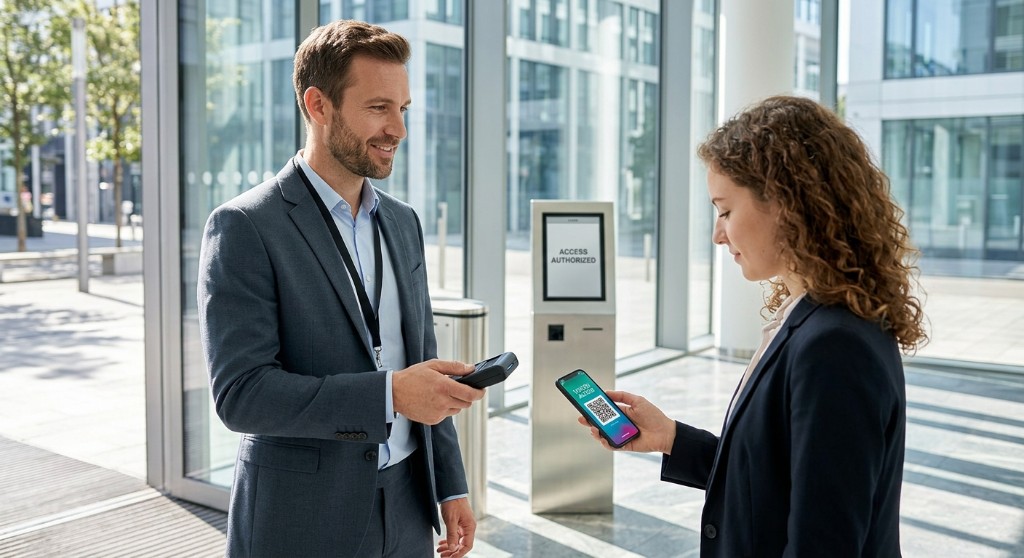
Violence, agitation, and unauthorized access are not abstract risks for Ontario hospitals, clinics, and long-term care homes—they are daily operational realities. Employers have obligations under OHSA to protect workers; healthcare organizations also juggle patient dignity, privacy, and family stress in waiting areas. Professional security supports clinical teams by managing crowds, controlling access to sensitive zones, and responding when behaviour escalates. DW Security provides healthcare security programs with post orders written alongside your policies—not generic mall templates.
The growing need for healthcare security in Ontario
Media and ministry data continue to highlight assaults on nurses, physicians, and support staff—especially in emergency departments and mental-health intake areas. Persistent staffing pressures and hallway medicine mean corridors stay crowded longer, increasing friction points. Visible, well-trained security can deter aggression early, but only when integrated with nursing leadership so guards are part of the care environment rather than an occupying force.
Security challenges unique to healthcare settings
Emergency departments and walk-in clinics
High emotion, long waits, and substance use combine unpredictably. Guards help with queue management, visitor limits, and escorting staff to parking after night shifts. Success depends on de-escalation tone: calm voice, open posture, and clear explanation of hospital rules.
Psychiatric and behavioural health units
These areas require guards who understand trauma-informed approaches, seclusion protocols, and when to step back so clinical staff lead. Training in non-violent crisis intervention (NVCI) or similar frameworks is often expected in addition to the PSISA baseline.
Long-term care homes
Dementia-related wandering, family disputes at the door, and after-hours deliveries all need calm, resident-centred responses. Guards should know fire panel locations, elopement procedures, and how to support PSWs without undermining therapeutic relationships.
Hospital parking and campus grounds
Garages and surface lots see thefts, harassment, and impaired driving risk. Mobile patrols or fixed posts at pay stations reduce predation on shift workers walking alone at 11 p.m.
What healthcare security guards actually do
- Code White and behavioural-emergency response as defined by your hospital.
- Visitor screening, wayfinding, and enforcement of visiting hours.
- Restricted-area access for pharmacies, research labs, and imaging suites.
- Coordination with hospital security management and, when required, police.
- Incident documentation with timestamps for risk and quality review.
PSISA licensing and healthcare-specific training
Every guard must hold a valid Ontario security guard licence. Ask candidates for healthcare experience, Mental Health First Aid, NVCI, and familiarity with your EMR-adjacent workflows (e.g., how they hand off after an incident). DW Security invests in ongoing training aligned with institutional expectations. Learn more on our training page and cross-read security guard training in Ontario.
Choosing a security provider for healthcare
Request hospital references, proof of insurance and WSIB, and sample post orders redacted for confidentiality. Interview the field supervisor who will actually take your 2 a.m. call. For procurement frameworks, see how to choose a security guard company and why clients choose DW Security.
Hamilton Health Sciences corridor and rapid deployment
Hamilton hosts one of Ontario's densest healthcare clusters. Proximity matters when you need same-day coverage for a unit surge or special event. From our Hamilton operations base we deploy across the Golden Horseshoe; see security guards in Hamilton for local context. Tie programs back to emergency response planning so tabletop exercises include security call trees.
Request a healthcare security assessment
Call (647) 877-7834 or use our contact form to schedule a walkthrough with your risk and facilities teams.